Coagulation and flocculation are both critical processes to separate and remove suspended solids in water and wastewater treatment. These processes improve the clarity of the water to reduce turbidity.Coagulation and flocculation pull out suspended solids that might take days or even decades to settle out of the water naturally.

Both processes require both physical agitation and coagulant chemicals to be added to the water treatment process. This optimizes the processing time, water quality, and cost of treatment.Ultimately, the coagulation and flocculation processes turn murky water into clear water by accelerating the time it takes for particles to settle. Once these particles have settled, they can be filtered out.
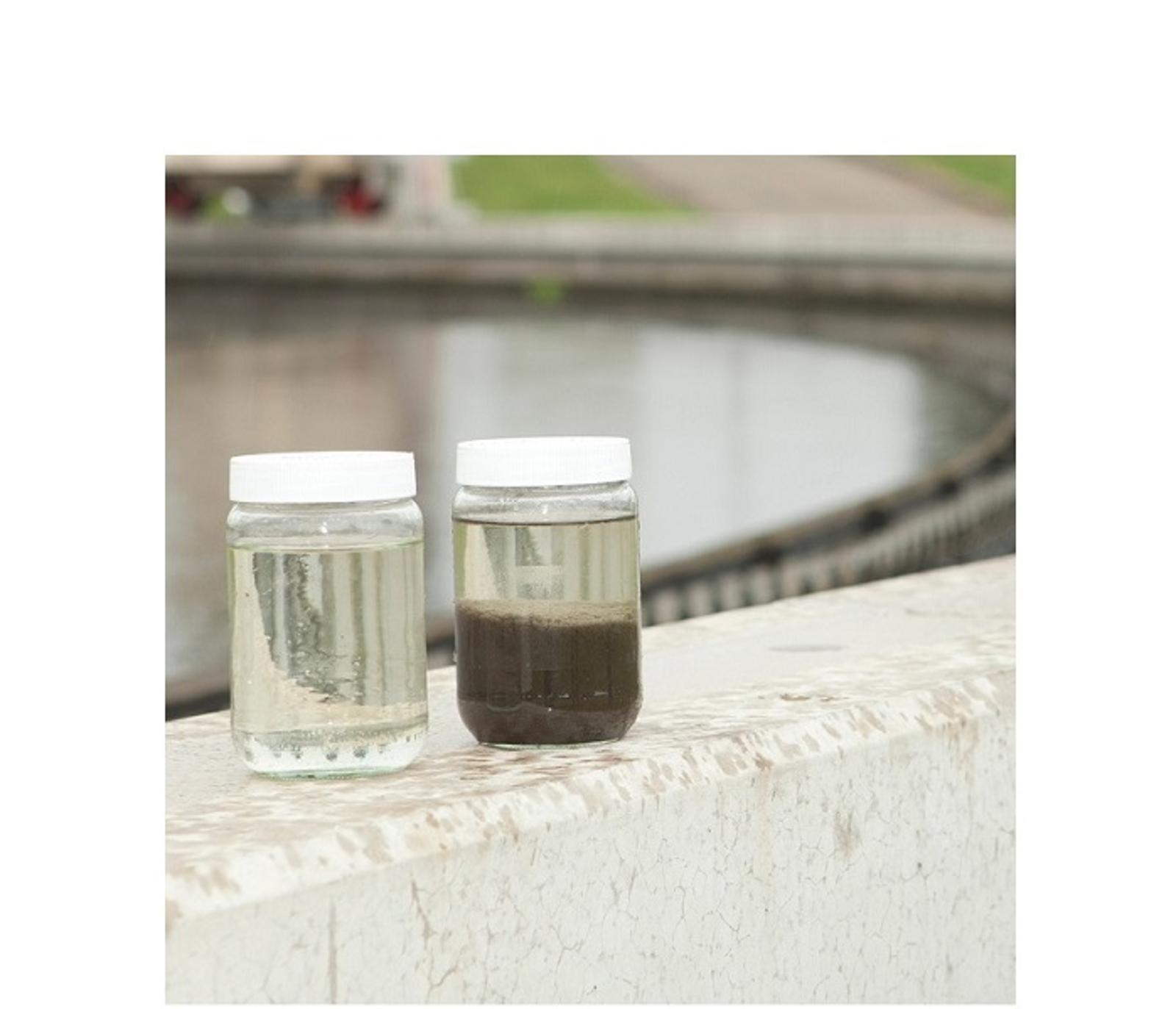

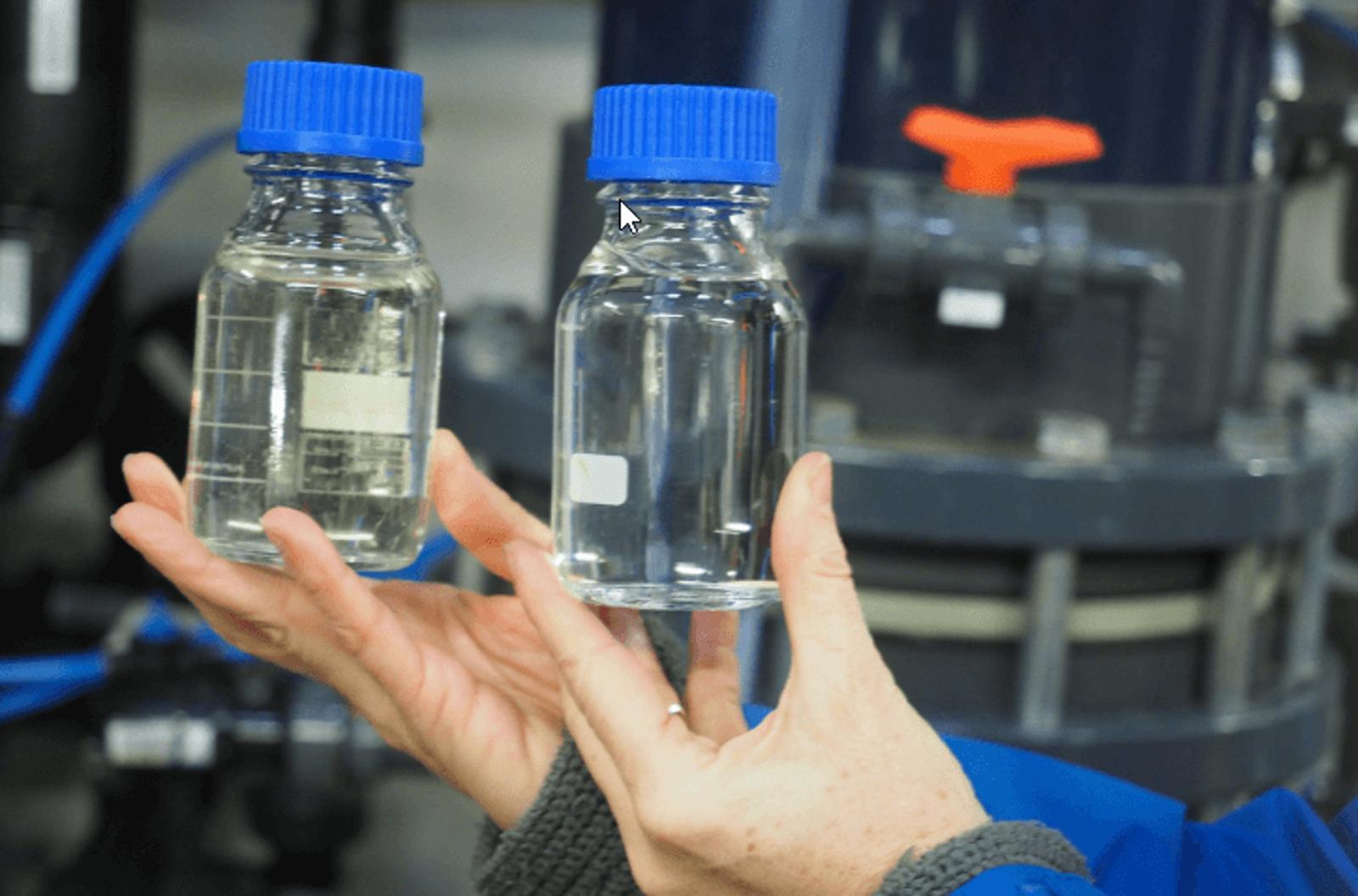
Before (right) and after (left) coagulation and flocculation
Before (right) / after (left) coagulation & flocculation treatment

Coagulation is this process that neutralizes the charged suspended solids in the water. As natural particles are typically negatively charged, the coagulants, or positively charged chemicals are typically added to the process to neutralize charge. Coagulants work by clumping together suspended particles by altering their electrical charge: it is a charge neutralization process.

Similar to magnets, colloidal particles that carry the same charge repel each other. When millions of particles are repelling each other, water clarity is diminished. Neutralizing electrical charge allows the particles to clump together forming flocs. From this point the clumped particles can be filtered out of the water. However; the larger the flocs of particles, the easier it is to filter them. The process of increasing the size of flocs is known as flocculation.

flocculation.jpg
When millions of particles repel each other, water clarity is diminished.

There are two different types of coagulants that are used: organic and inorganic.

Inorganic coagulants, or inorganic salts, are usually a type of aluminum or iron salt. Aluminum sulfate, commonly known as alum, and ferric chloride are popular and widely used. However, in order to be effective, the coagulant must be applied and added to the process water properly.

Determining the amount and type of coagulant used changes based on a variety of process conditions. Many different external and environmental conditions impact how the raw water is treated which changes how much and what types of chemicals the treater must use. For example, a heavy rain will greatly impact the influent, or raw, water in a municipal treatment plant.

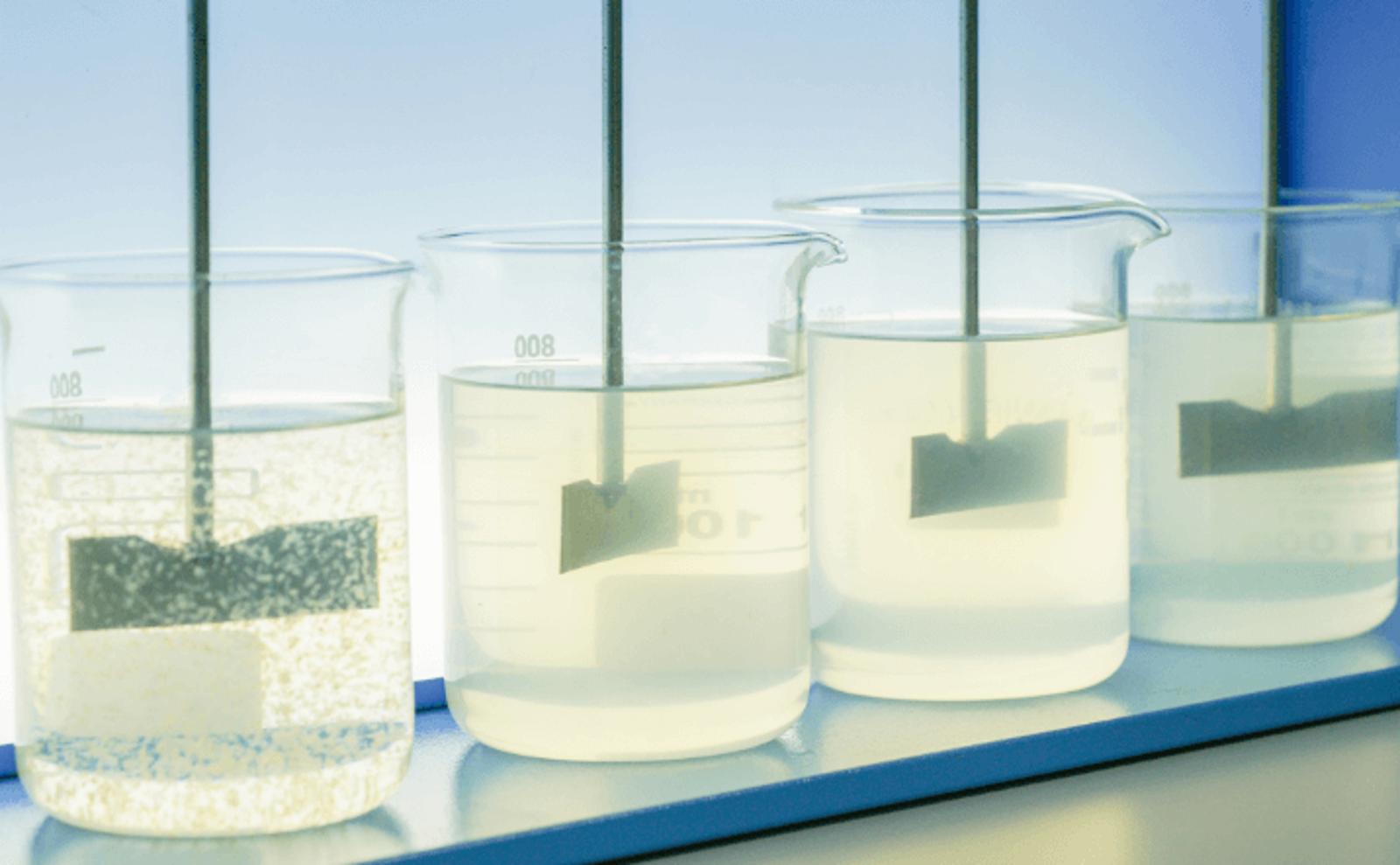
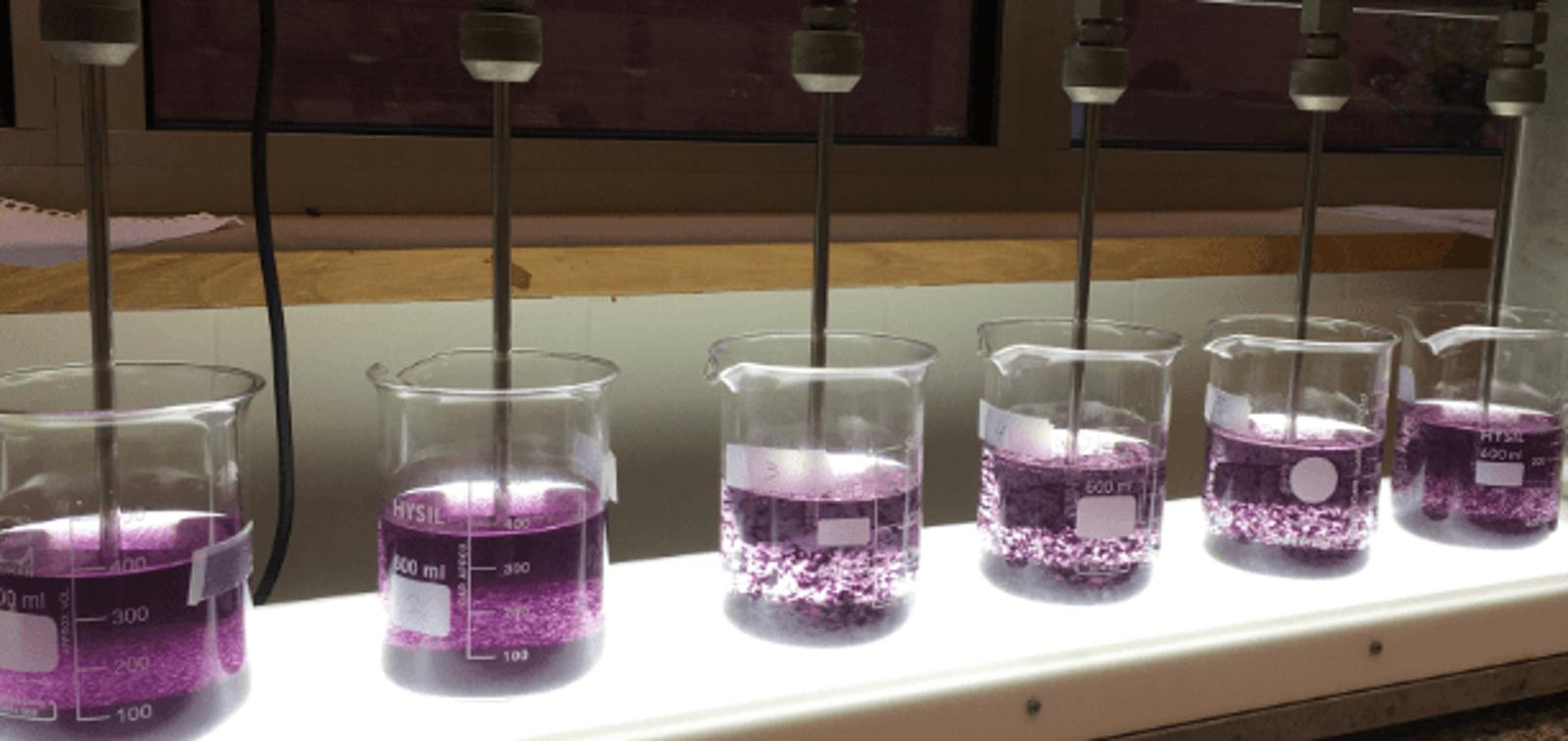
The jar test is a standard method in which various amounts of coagulant and flocculation times are tested on a raw water sample. There are multiple samples to test before implementation into a larger volume of the water treatment process.

organic and inorganic coagulation
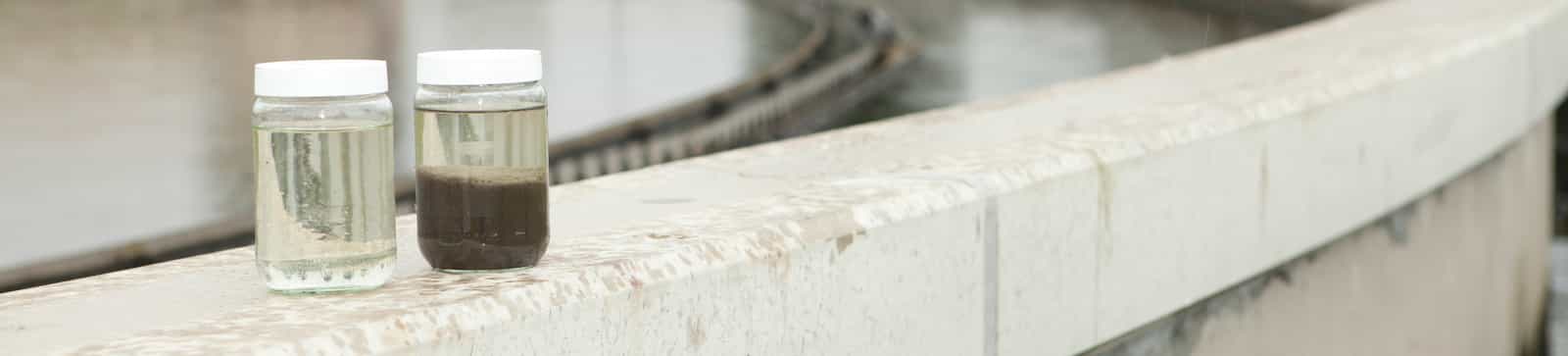
Turbidity examples in coagulation & flocculation

Organic coagulants, also known as polymers, are prevalent in the water treatment processes. While polymers are more expensive by weight compared to inorganic coagulants, a lesser amount of chemical may be used.

While the coagulation process is exceptionally critical, it can also be costly. Costliness is primarily determined by how much chemical is used in the process. While polymer may be more expensive by weight, it can be more efficient than an inorganic salt. Polymer efficacy can be increased by preparing the proper polymer volume to ensure it can fully react with the process water, which in turn reduces polymer usage and may have a cost advantage over the inorganic salt.Inorganic chemicals require the water treatment operator to strike a balance which requires accurate dosing of chemicals. Too much chemical would likely require pH correction; while not enough chemical may lead to additional processing time to reach the desired condition.

Coagulation processes are time intensive and for that reason can be expensive. It is important for water treatment plants to optimize their process with cost effective technologies. Measurement devices such as Streaming Current Detectors measure net charge density of particles in a sample of water.

netwonian and thixotropic
Jar Testing different coagulation amounts & flocculation rates

While coagulation is primarily a chemical process; flocculation is the clumping of particles primarily via a physical process. Once the coagulation process has taken place, the flocculation process begins with agitation or mixing of the fluid. This allows some of the suspended solids to begin to bond together and grow in size into larger clumps. This process is assisted by the addition of flocculants and mixers.

After the colloidal particles have had their charge neutralized, mixing of the process fluid allows more of these particles to come together. The goal of this process is for the grouped particles to achieve a state in which they can be most easily filtered out of the water.

Mixing of the process water with the addition of adding flocculants allows for the colloidal particles to stick and form bigger and bigger clumps. The challenge with this process is that you must stir the fluid without separating the particles. For this reason, it is important to consider the mixing shear on the fluid.

mixing shear
Different flocculation rates are being measured to optimize the flocculation process at a larger scale