
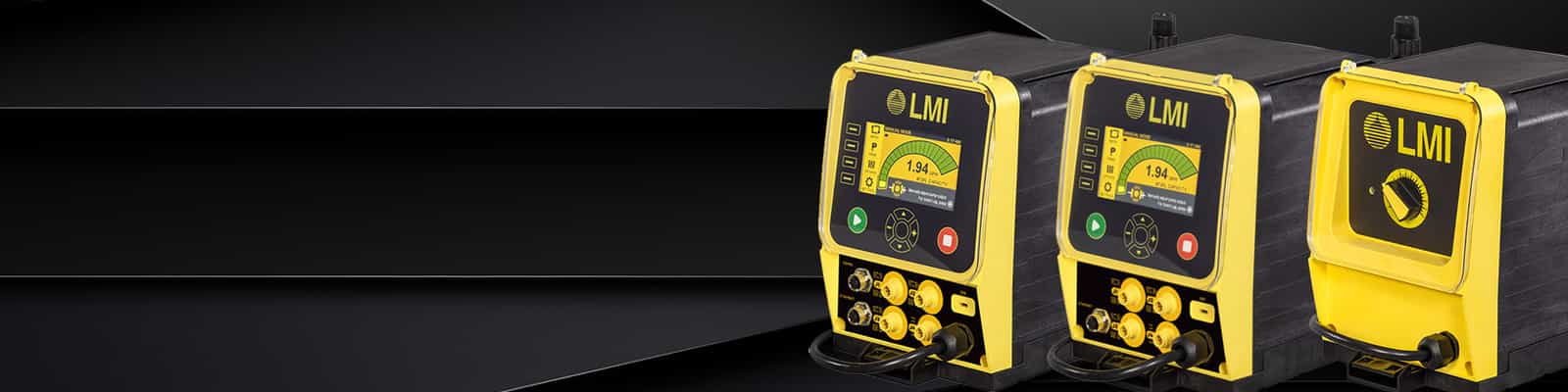
In chemical dosing systems, keeping fluids contained within a system is not just about efficiency—it’s about safety, compliance, and protecting your investment. Even a minor leak in a chemical metering pump can lead to serious consequences such as hazardous exposure to operators, environmental contamination, and operational downtime. That’s why advanced pump systems like the LMI TD Series are engineered with smart technology, including chemical leak sensors with automatic alarms and control system integration for rapid response to failures. 

What Is a Leak Detector and Why Does It Matter?

A chemical leak sensor integrated into the pump identifies the presence of liquid outside a system where it doesn’t belong. In chemical metering, this functionality becomes especially vital. Dosing pumps handle aggressive chemicals like strong corrosive acids, bases, or solvents. If any of that fluid escapes because of diaphragm failure or wear and tear, you face not only product loss but also the risk of equipment corrosion and environmental harm.


Installing a leak sensor in your metering system can prevent such outcomes by catching the problem early—before a small drip turns into a costly spill.
How Do Leak Sensors Work?

Most leak sensors rely on one of three main technologies:

  1. Conductive sensors detect the presence of water or chemical solution by measuring electrical conductivity between two probes. When a liquid bridges the probes, the sensor sends a signal to the control system.
  2. Capacitive sensors monitor changes in dielectric properties around the sensor tip, identifying liquids without direct contact.
  3. Optical sensors use infrared or visible light to detect surface wetness or pooled liquid.

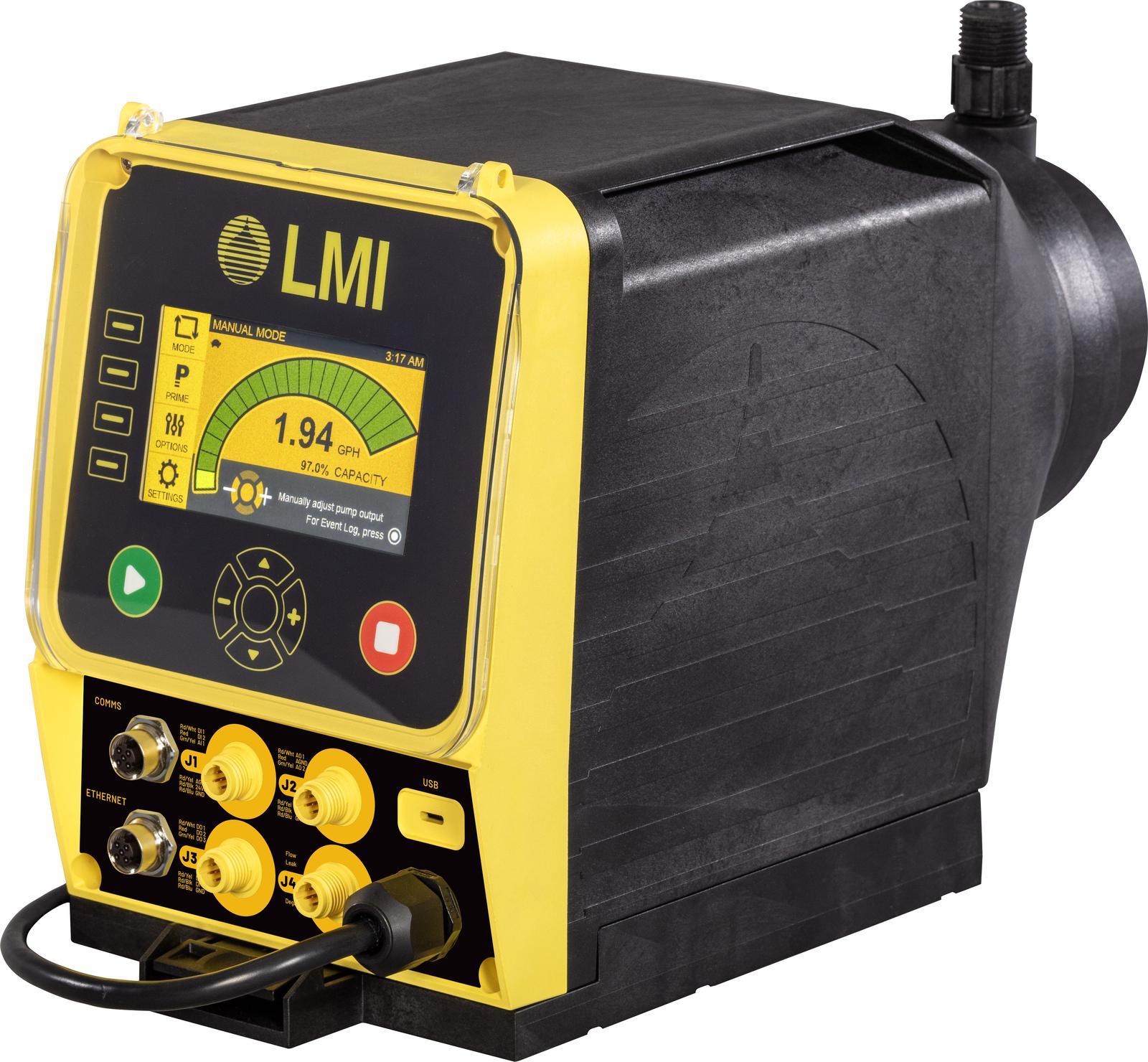
In the TD Series pump, the leak detection sensor is an optical leak sensor with no fluid contact which is integrated directly into the pump head. As soon as it senses fluid, it can trigger alarms, shut off pump operation, and send alerts via SCADA or cloud-connected smart hubs.

How Accurate Are Today’s Leak Sensors?

Modern leak sensors are highly reliable and sensitive. They’re designed to detect water or chemical solutions at levels as low as a few drops. This sensitivity is especially useful in clean-room environments or facilities that handle volatile chemicals, where even trace contamination is unacceptable.

The LMI TD Series integrates high-performance sensors that reduce false alarms and ensure accurate detection. The sensor’s effectiveness depends on proper installation, sensor placement, and periodic maintenance checks. When integrated into a comprehensive monitoring system, they become part of a proactive safety net.

Beyond Leak Detection: Freeze Detectors and Heater Protection

Another often-overlooked risk in chemical metering is temperature-related damage. During cold months, piping and pump systems can be compromised by freezing temperatures. That’s where freeze detectors come in.

A freeze detector monitors ambient or fluid temperatures and triggers alerts before temperatures drop to critical levels. In combination with a water heater or heating tape, this sensor helps prevent pipes from bursting or metering chambers from cracking.

For chemical applications housed outdoors or in unheated facilities, installing a freeze detector is a smart preventive measure that ensures your system stays operational even when the temperature drops.

Integrated Monitoring

One of the standout advantages of the TD Series is its compatibility with remote monitoring tools.

By connecting leak sensors and freeze detectors to centralized monitoring software, users gain:

  • Real-time alerts on fluid leaks or abnormal temperatures.
  • Remote control and shutdown capabilities.
  • System health diagnostics to avoid emergency maintenance.

Alternative Leak Detection Strategies: From Passive to Active Monitoring

Traditionally, there are three main strategies used in fluid containment monitoring:

  1. Active Monitoring: This is the most advanced approach. It involves real-time leak detection using sensors that trigger alarms or automated shutoffs. These systems are ideal for high-risk environments like chemical processing or sensitive cleanrooms.
  2. Passive Monitoring: This method uses visible indicators like dye markers, absorbent pads, or containment basins. While effective as a last line of defense, passive methods don’t offer the speed or automation of sensor-based systems.
  3. Integrated System Monitoring: Combining sensor input with centralized software allows operators to not only detect chemical leaks or frozen lines but also log incidents and take corrective actions faster.

The TD Series excels in offering support for all three strategies—depending on your facility’s budget and safety requirements.

Real-World Benefits of Smart Detection Technology

Integrating water leak detection sensors and freeze detectors into your chemical metering setup offers more than just peace of mind. Here are some tangible benefits:

  • Reduced downtime: Early chemical leak detection helps avoid system shutdowns and unscheduled maintenance.
  • Improved safety: Workers aren’t exposed to hazardous spills or vapor leaks.
  • Lower costs: You protect your chemicals, pumps, and facility from damage.
  • Regulatory compliance: Many industrial standards now require secondary containment and leak sensing for hazardous chemical handling.
  • Remote visibility: Whether managing a greenhouse, public water infrastructure, or a manufacturing line, remote alerts keep you informed.

A Smarter Way to Protect Your Pump Systems

The LMI TD Series not only offers precision chemical metering but also gives you access to modern safety tools like water leak detectors and SCADA integration. By equipping your setup with these smart safeguards, you're building resilience into your operation from the ground up.

FAQ About Leak Detection Sensor

A leak detector identifies the presence of fluids escaping from a sealed system. In chemical metering applications, this is critical for preventing hazardous spills or process contamination.