
In today's industrial landscape, process automation and digital control are critical to operational efficiency and safety. SCADA systems have become the backbone of modern process industries for decades, enabling centralized monitoring and control of complex dosing systems. 

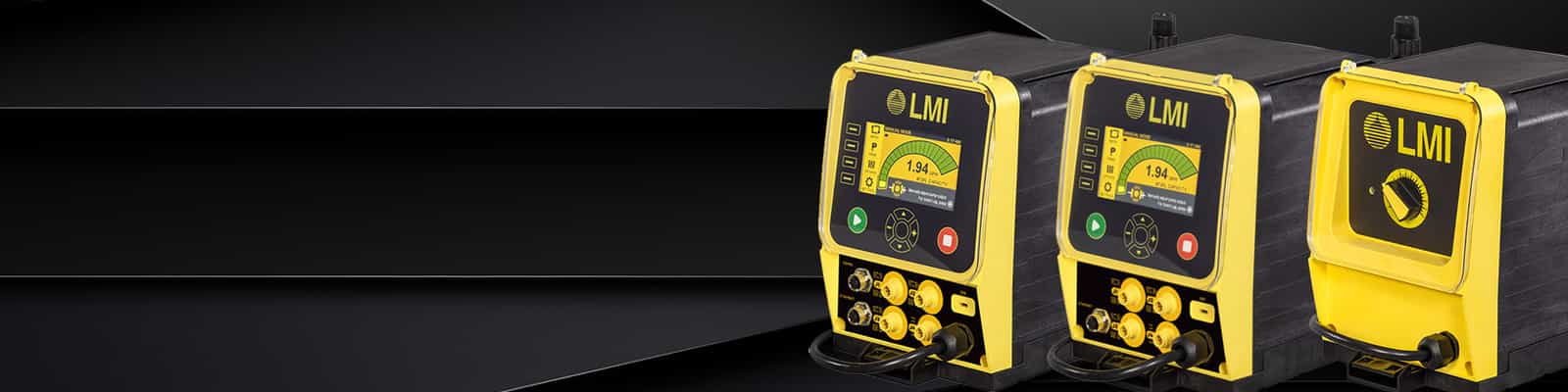
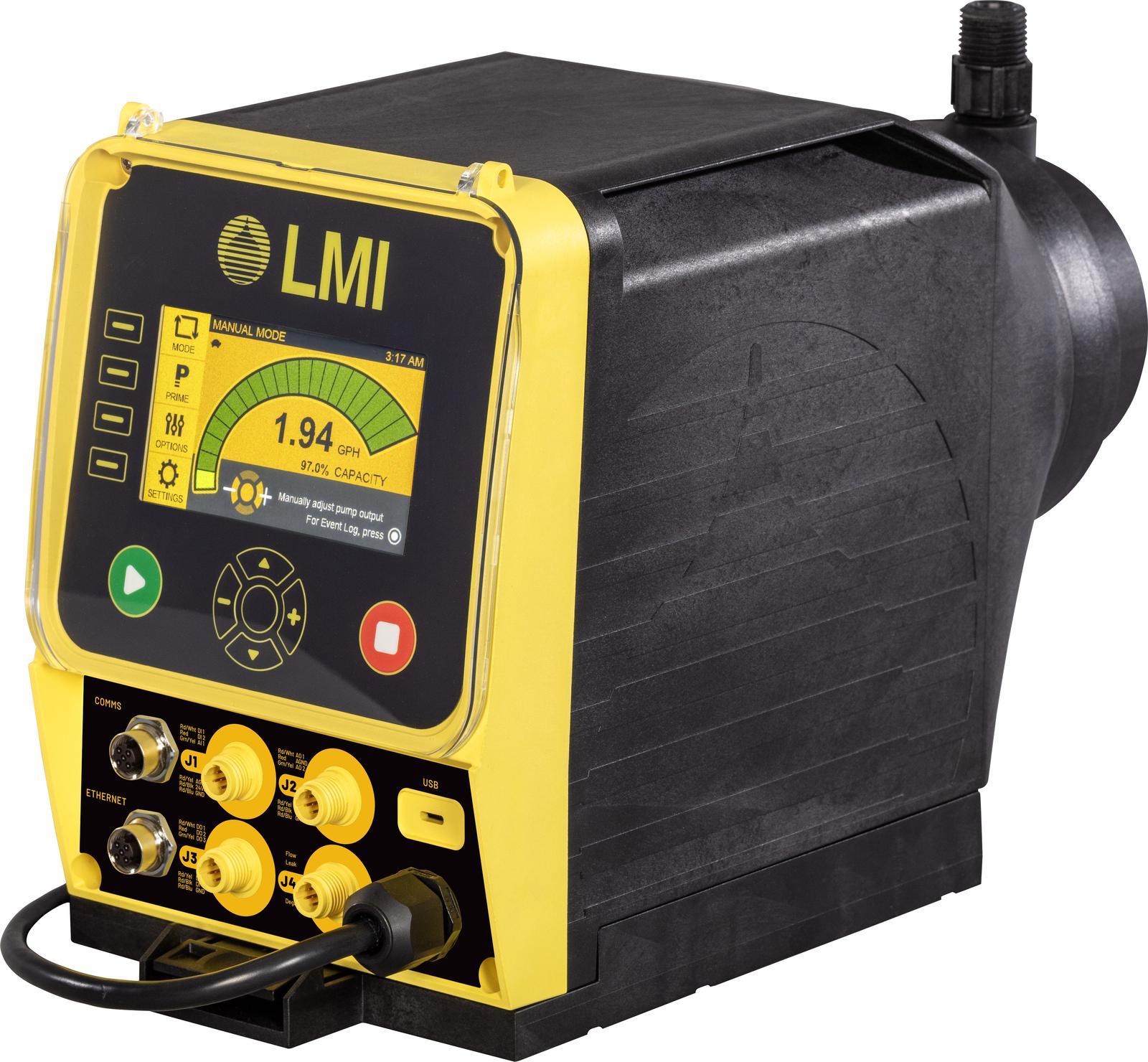
LMI's TD Series Chemical Metering Pumps stand out for their full SCADA integration capabilities, offering unmatched connectivity and control. In this post, we’ll explore what SCADA is, how it functions, and how the TD Series supports seamless integration.

What is SCADA Integration?

SCADA stands for Supervisory Control and Data Acquisition. SCADA integration refers to the process of connecting devices and systems—such as LMI’s TD Series chemical metering pumps—into a centralized platform. This enables operators to monitor, control, and analyze equipment performance in real time.

Through SCADA integration, plant managers and engineers gain access to critical operating data from the field, empowering them to automate process control, make better decisions, respond to issues quickly, and ensure safety across the facility. The TD Series is built with this in mind, offering the tools needed for system integration in both legacy and new installations.
How SCADA Works in Industrial Automation?

A SCADA system operates through a layered system architecture, collecting data from sensors and other devices in the field. These sensors may be measuring flow rates, chemical concentrations, or pump status. The data is relayed to programmable logic controllers (PLCs), which process the inputs and execute automated tasks.

The PLCs then communicate this data to the SCADA control center, where SCADA software interprets the data and provides a visual interface for the system operator. Operators can view dashboards, set parameters, acknowledge alarms, and generate reports from a central station—or even anywhere in the world, using secure remote access capabilities.

Modernizing SCADA Systems with TD Series Pumps

Many industrial facilities are undergoing digital transformation to stay competitive and compliant with regulatory standards. Modernizing SCADA systems involves upgrading not just the software but also the connected hardware, ensuring it can communicate using standard protocols like MODBUS, PROFIBUS, Ethernet IP, or OPC UA.

The TD Series is SCADA-ready with support for MODBUS RTU, TCP, Ethernet IP, and PROFIBUS, making it easy to integrate into existing network architectures. With customizable report writing andUSB-C firmware updates, the TD Series allows for easy diagnostics and streamlined maintenance workflows.

This level of connectivity and smart design ensures that facilities looking to modernize their chemical dosing systems don’t have to overhaul their entire infrastructure. Instead, they can gradually replace outdated equipment with intelligent, SCADA-compatible alternatives like the TD Series.

SCADA System Architecture and Networking Design

A robust SCADA implementation requires thoughtful networking design. Factors such as data security, latency, redundancy, and bandwidth must be considered when building a SCADA network. Network topologies may include ring, star, or mesh configurations, depending on the scale and criticality of the operation.

The TD Series supports flexible integration across different network architectures, whether you're deploying in a small municipal water plant or a large-scale industrial manufacturing site. With compatibility for multiple BUS communication protocols, it can also work alongside other vendor systems, enabling system integrators to implement best-in-class solutions without vendor lock-in.

SCADA System Integrators and Their Role

SCADA system integrators play a crucial role in designing and implementing automation systems. They evaluate the facility’s needs, choose compatible hardware and software, and ensure smooth system integration. With features like plug-and-play protocol support, intuitive interfaces, and modular design, the TD Series makes their job easier and reduces commissioning time.

In addition, the ability to pull real-time data from the TD Series allows integrators and operators to set up custom alarms, trend charts, and predictive maintenance alerts—improving uptime and reducing chemical waste.

Advantages of SCADA Integration for Chemical Dosing

When chemical dosing systems like LMI’s TD Series are integrated into SCADA, the benefits are immediate and measurable:

  • Improved Accuracy: Real-time feedback from sensors and other devices allows the system to adjust flow rates instantly, ensuring precise dosing.
  • Remote Accessibility: Operators and engineers can log into the SCADA control center from anywhere in the world, enabling 24/7 visibility and management.
  • Enhanced Safety: Automated alerts, data logs, and trending allow for quicker response to anomalies.
  • Energy and Cost Savings: Better process control means less waste and more efficient operation.

Future-Proofing with TD Series Pumps

As facilities continue investing in industrial automation, the need for interoperable and intelligent devices will only grow. The TD Series is designed with forward compatibility in mind. Whether you're upgrading an older SCADA network or deploying a new control system, these pumps integrate smoothly and scale with your needs.

By embracing the full potential of supervisory control and data acquisition, operators can unlock higher levels of productivity and reliability. With the right SCADA software, networking design, and connected hardware like the TD Series Chemical Metering Pump, industrial facilities can maintain safe, efficient, and sustainable operations.

FAQ About SCADA

SCADA stands for Supervisory Control and Data Acquisition. SCADA integration refers to the process of connecting devices and systems, such as LMI's TD Series chemical metering pumps, into a centralized SCADA platform. This enables operators to monitor, control, and analyze equipment performance in real-time.