
In chemical dosing, precision is paramount. Whether you're managing small batch processes or pacing flow against multiple operating parameters, your equipment needs to be flexible and accurate. This is where turndown capability becomes essential.

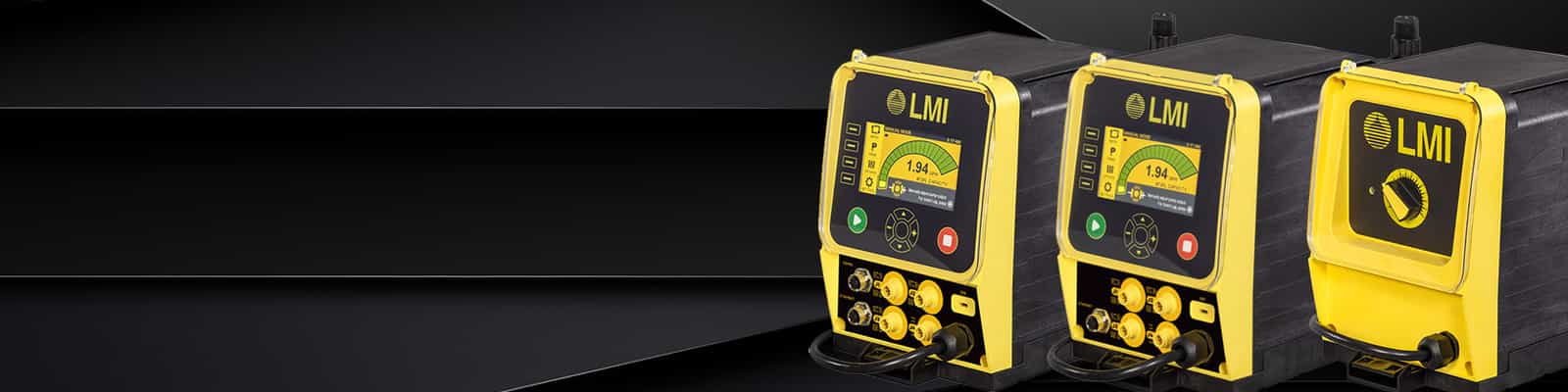
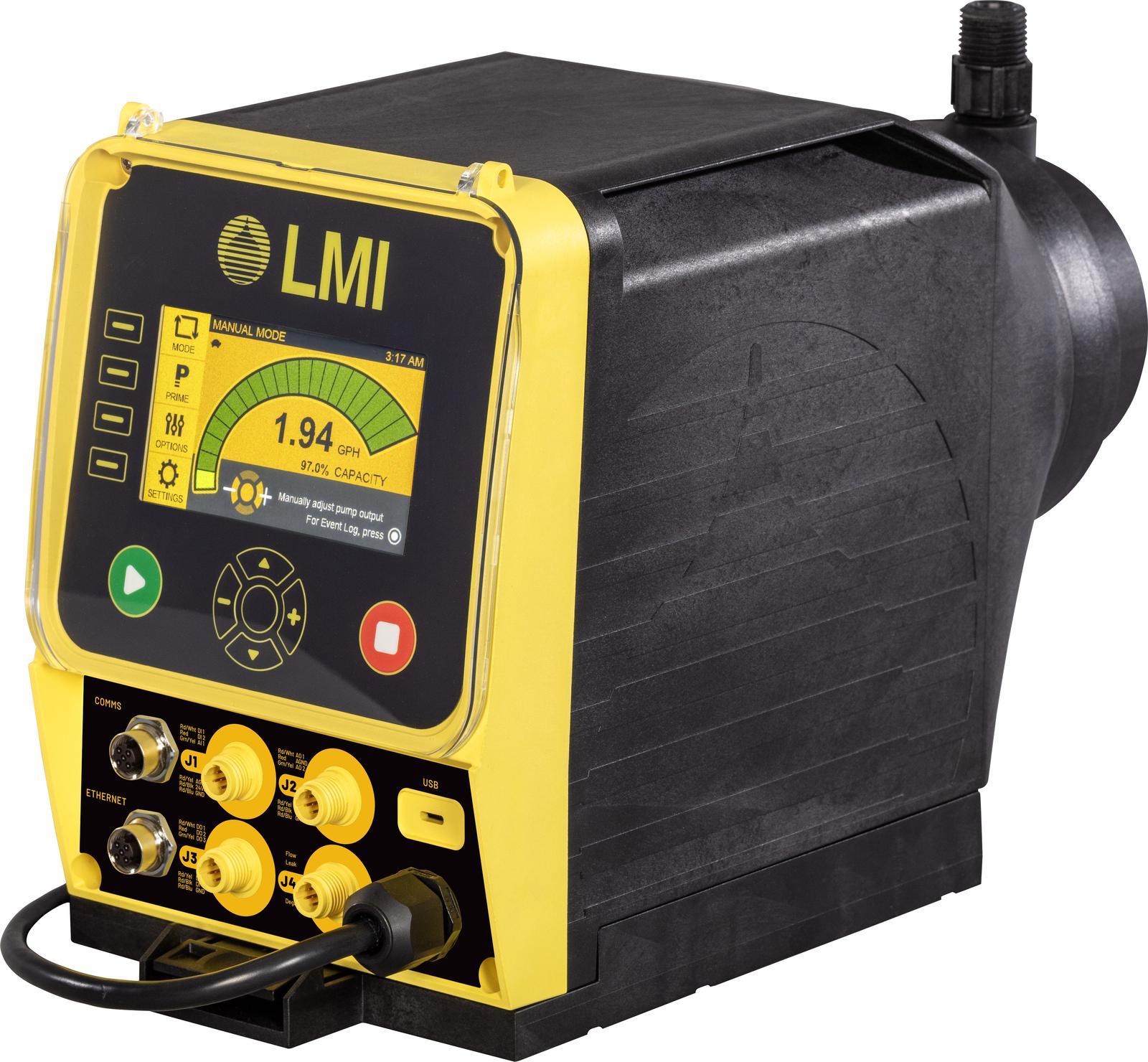
The TD Series from LMI offers a wide turndown range, providing unmatched versatility in metering applications. In this post, we’ll explore what turndown means, why it matters, and how the TD Series delivers.

What is a Turndown System?

A turndown system refers to a pump’s ability to adjust its output flow rate relative to its maximum capacity. It reflects operational flexibility and precision. Turndown capability enables users to scale dosing rates up or down depending on demand—without swapping equipment or compromising performance. This is particularly important in dynamic processing environments where flow requirements can fluctuate due to changes in production schedules, seasonal variation, or shifts in water chemistry while maintaining accuracy in dosing.

For example, in water treatment facilities, chemical demand can vary significantly based on weather, influent quality, or regulatory requirements. A metering pump with excellent turndown capability ensures that operators can adjust chemical dosage automatically on the fly—maintaining compliance without overfeeding or underdosing. Similarly, in industrial manufacturing or food processing, slight changes in chemical concentrations can have a large impact on product quality or safety, making fine-tuned control essential.
What Does a Turndown Ratio Mean?

Turndown ratio is the ratio between the maximum and minimum achievable flow rate. For example, a 100:1 turndown ratio means the pump can operate at just 1% of its maximum output while maintaining linear and repeatable accuracy. A wider turndown range offers greater adaptability, especially in applications where process conditions change or where fine control of chemical input is critical.

Higher turndown ratios minimize the need for multiple pumps or frequent recalibrations, making the system more efficient and cost-effective over time. It also reduces maintenance demands, since one pump can handle varying loads without being overworked. In processes requiring both low- and high-volume dosing, such as batch and continuous operations, a broad turndown range provides a seamless transition between operating modes, maintaining accuracy at every step.

Why Turndown Matters in the TD Series?

The TD Series from LMI offers a broad range of flow—from 0.003 to 16 gallons per hour (GPH)— a high turndown ratio, defined as the ratio between the pump’s maximum flow and minimum flow capabilities. This makes it an ideal choice for a wide variety of dosing environments. Whether it's a food processing plant adjusting sanitizing agents, or a municipal water facility managing pH control, the TD Series delivers precise flow measurement and accurate dosing performance every time.


Key benefits of the TD Series' turndown capability include:

  • Accurate dosing for both small batch and high-flow operations
  • Improved energy efficiency by minimizing pump run-time and avoiding over-delivery
  • Better chemical utilization, reducing waste and operating costs
  • Enhanced safety through more consistent and controllable dosing


The system integrates seamlessly with flow meters, and its performance remains stable even under varying differential pressure conditions. When paired with accessories like an orifice plate, the TD Series can also accommodate mass flow monitoring, enabling tighter process control. With SCADA integration, manual or remote-control options, and a NEMA 4X-rated enclosure, it is built for reliability in demanding environments.